

Guide
Coffee brewing methods: filter, French press, pour over, moka pot, espresso, cold brew and iced
Seven ways to brew the same pack of coffee, each with the grind, coffee-to-water ratio and time that work as a starting point, and the 6 Degrees roast whose product page lists that method. Ratios are by weight; a kitchen scale removes most of the guesswork. Treat every number here as a common starting point to adjust by taste, not a rule.
Every method at a glance
Coffee-to-water ratios are by weight and are common starting points.
| Method | Grind | Coffee : water | Time | 6 Degrees pick |
|---|---|---|---|---|
| South Indian filter | Fine, coarser than espresso | About 1:5 for the decoction (20 g to 100 ml), then hot milk | 10–20 min drip | Indian Filter Coffee |
| French press | Coarse | 1:15 (30 g to 450 ml) | 4 min steep | House Blend; all four blends list it |
| Pour over | Medium-fine | 1:16 (20 g to 320 ml) | 2.5–3.5 min | Bulk Coffee; House Blend and Indian Filter list drip |
| Moka pot | Fine-medium, coarser than espresso | Basket filled level; water to the valve | 3–5 min, low heat | Premium AAA |
| Espresso machine | Fine | 1:2 (18 g to 36 g in the cup) | 25–30 s | Premium AAA; Speciality, House Blend and Bulk also list it |
| Cold brew | Coarse | 1:8 concentrate; 1:12 to drink as is | 12–18 h, or the single-serve's cold mode | Kafenio single-serve, any roast |
| Iced coffee | As for the hot method | About 1:8, poured over ice | Minutes | Kafenio single-serve with House Blend |
Choose whole bean or ground at checkout. Both Kafenio machines work with all roast levels: the automatic grinds whole beans, the single-serve takes fine-ground coffee.
South Indian filter coffee (decoction)
The steel filter has two chambers: the upper holds a perforated disc, the coffee and a pressing disc; the lower collects the decoction. Use a fine grind, finer than drip but not as fine as espresso, or the water either runs straight through or refuses to drip.
- Add about 20 g of coffee to the upper chamber, level it and rest the pressing disc on top without pressing hard.
- Pour about 100 ml of water just off the boil over the disc and close the lid.
- Wait 10–20 minutes. A slow drip is correct.
- Pour 30–50 ml of decoction into a tumbler, add hot milk and sugar, and pour between tumbler and davara to froth.
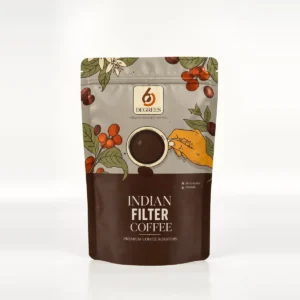
For a stronger cup use more coffee, not more time. Indian Filter Coffee is the 6 Degrees blend built for this: medium-dark, smooth, full-bodied and creamy, and the only pack that lists the South Indian filter.
How to make French press coffee
The French press is the most forgiving brewer here because the coffee steeps in all the water at once; there is no pouring technique to learn. The one thing it punishes is a fine grind, which slips through the mesh and makes the cup muddy. Use the coarsest setting you have.
- Warm the press with hot water and discard it.
- Add 30 g of coarse coffee for a 450 ml press (1:15).
- Pour water that has sat 30 seconds off the boil, stir once, lid on with the plunger raised.
- Steep 4 minutes. Press slowly; if it resists, the grind is too fine.
- Pour everything out at once, or it keeps extracting and turns bitter.
All four blends list the French press: the House Blend for balance, Indian Filter Coffee for a creamier body, Premium AAA for a strong, dark press, and the Speciality Premium Blend for caramel and chocolate notes.
How to brew pour over coffee
Pour over is drip coffee done by hand: a paper filter in a cone over a mug, with water poured in stages. It makes a clean, light-bodied cup that shows aroma more clearly than a press. A medium-fine grind and a slow, steady pour matter more than special equipment.
- Rinse the paper filter with hot water to remove the papery taste, and discard the water.
- Add 20 g of medium-fine coffee for 320 ml of water (1:16).
- Pour about 40 ml to wet the grounds and wait 30–45 seconds. Fresh coffee swells and bubbles as gas escapes; this is the bloom.
- Pour the rest in two or three slow, circular additions.
- Aim for 2.5–3.5 minutes in total. Faster and sour: grind finer. Slower and bitter: grind coarser.
Bulk Coffee lists pour over by name, which suits a café or office running a batch of cones. For a smaller pack, the House Blend and Indian Filter Coffee list drip, and a pour-over cone is a manual drip brewer.
Moka pot
The stovetop moka pot pushes steam-pressured water up through a basket of grounds to make strong, concentrated coffee. It is not espresso, but it is the closest a ₹1,000 brewer gets. Use a grind a little coarser than espresso; a true espresso grind clogs the basket and makes the pot sputter.
- Fill the bottom chamber with hot water to just below the safety valve, so the coffee does not stew while the pot heats.
- Fill the basket level with coffee and brush off the rim. Do not tamp.
- Screw the top on using a cloth, and heat on low to medium with the lid open.
- A steady stream means it is working; a hiss and sputter means it is done. Take it off the heat and cool the base under the tap.
Premium AAA is the one 6 Degrees coffee that lists the moka pot. Its dark roast suits the pot’s concentrated brew and stands up to milk.
Espresso machine
Espresso forces hot water through finely ground, tamped coffee at high pressure in under half a minute. The result is a small, strong, syrupy shot with a layer of crema, and the base for Americano, cappuccino, latte and flat white. The common starting point on a home machine is about 18 g of fine-ground coffee for roughly 36 g of espresso (1:2) in 25–30 seconds; the espresso beans guide covers dialling that in.
On the Kafenio automatic coffee machine there is nothing to tamp or time: it makes 11 drinks at one touch, espresso, Americano and cappuccino among them, with adjustable brew strength, grinding whole beans in its built-in burr grinder, and works with all roast levels.
Four 6 Degrees packs list espresso: Premium AAA (dark) first, the Speciality Premium Blend for caramel and chocolate notes, the House Blend (medium) for a softer shot in milk, and Bulk Coffee for an office or café. The espresso coffee beans page matches each to a drink.
How to brew cold brew coffee
Cold brew is coffee steeped in cold or room-temperature water for hours instead of hot water for minutes. The slow extraction pulls less acidity and bitterness, so it tastes smooth and sweet, and it keeps in the fridge for a few days.
In the Kafenio single-serve
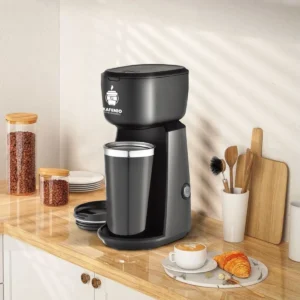
The single-serve coffee maker has a cold-brew mode and brews directly into your mug at one touch, with no overnight wait. It takes 3–4 tablespoons of fine-ground coffee in a reusable mesh filter, up to 400 ml per mug, and is compatible with all roast types.
Steeped by hand
- Grind coarse, as for a French press.
- For a concentrate use 1:8 (100 g to 800 ml) and dilute one to one when serving; for ready-to-drink use about 1:12.
- Stir, cover and leave 12–18 hours at room temperature or in the fridge.
- Strain through a sieve lined with a paper filter or muslin.
No 6 Degrees pack lists cold brew by name, so the pick is the machine. For the coffee, the House Blend keeps a cold cup balanced; the Speciality Premium Blend brings chocolate and caramel notes through milk.
How to make iced coffee
Iced coffee is hot-brewed coffee cooled fast, which is not the same as cold brew: it is brighter, with more of the roast character. The trap is dilution. Ice melts into the drink, so the coffee has to be brewed stronger than usual.
- Brew by any hot method above at about twice the normal strength: 1:8 instead of 1:16 for pour over, or a double shot of espresso.
- Fill a tall glass with ice and pour the hot coffee straight over it. The melt brings it back to normal strength.
- Stir sugar into the hot coffee first if you take it; add milk once it is cold.
The shortcut is the Kafenio single-serve coffee maker: its cold mode brews a cold cup straight into the mug, and its hot mode brews a strong cup to pour over ice. The House Blend is the easy pairing for a balanced iced cup, Premium AAA for strong and dark over milk. The insulated steel tumbler keeps it cold for 8–12 hours.
What is a flat white?
A flat white is espresso with steamed milk that has a thin, velvety layer of microfoam rather than the thick foam of a cappuccino. It is served smaller than a latte, usually in a 150–180 ml cup with a double shot, so the coffee is more forward and the drink is stronger. A latte is mostly milk with a little foam; a cappuccino is roughly equal parts espresso, milk and foam; a flat white sits between them with the least foam of the three.
To make one at home you need an espresso and a way to steam milk to a glossy, pourable texture. A dark or medium-dark roast such as Premium AAA holds up best against the milk. The Kafenio automatic makes 11 drinks at one touch, cappuccino among them; check its drink menu in the manual for a flat white, otherwise its cappuccino is the nearest option.
The packs and the machine these methods use most
Three roasts that cover filter, press, drip, moka pot and espresso, plus the single-serve for cold brew and iced coffee.
-
Coffee Beans
Indian Filter Coffee – Premium Roast
₹599.00 – ₹2,399.00Price range: ₹599.00 through ₹2,399.00 Select options This product has multiple variants. The options may be chosen on the product page -
Coffee Beans
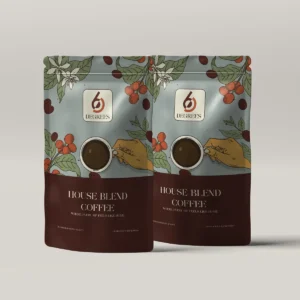
6Degrees House Blend Coffee Beans – 80:20 Arabica & Robusta
₹599.00 – ₹2,399.00Price range: ₹599.00 through ₹2,399.00 Select options This product has multiple variants. The options may be chosen on the product page -
Coffee Beans
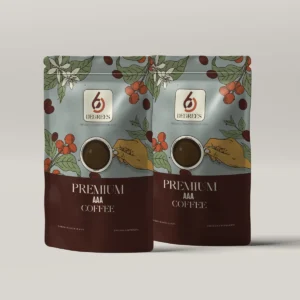
6Degrees AAA Premium Coffee Beans – 100% Arabica
₹650.00 – ₹2,100.00Price range: ₹650.00 through ₹2,100.00 Select options This product has multiple variants. The options may be chosen on the product page -
Coffee Machines
Kafenio Single-Serve Coffee Maker
₹3,500.00Original price was: ₹3,500.00.₹2,500.00Current price is: ₹2,500.00. Add to cart Buy Now
Coffee comes in 250 g ₹599, 500 g ₹1,199, 1 kg ₹2,399 (Premium AAA ₹650 / ₹1,200 / ₹2,100), roasted after you order. Choose whole bean or ground at checkout.
Frequently asked questions
Coarse for French press and cold brew; medium-fine for pour over and drip; fine but coarser than espresso for the South Indian filter and moka pot; fine for espresso. Choose whole bean or ground for your brewer at checkout.
Cold brew is steeped in cold water for 12–18 hours and tastes smooth and low in acidity. Iced coffee is brewed hot at double strength and poured over ice, so it tastes more of the roast. The Kafenio single-serve makes both.
Yes, if the grind suits. The House Blend lists drip, French press and espresso; Indian Filter Coffee lists the South Indian filter, French press and drip; Premium AAA lists espresso, moka pot and French press. Choose the grind at checkout that matches the method you will use most.
At roughly 15 g a cup, 250 g makes about 15–17 cups, 500 g about 30–35 and 1 kg about 65–70; espresso at 18 g a double shot gives fewer. Finish a pack within three weeks of opening.
Yes. Hard or chlorinated tap water flattens the cup. Filtered water with a little mineral content works best, and water just off the boil, not boiling, is right for every hot method here.