
Guide
Best coffee beans for espresso: what the shot actually needs
Espresso is the least forgiving way to brew coffee, which is why the same bag can taste excellent in a French press and thin or bitter from a machine. What decides the shot is how recently the coffee was roasted, how dark, how it was ground and how you dial it in. This guide takes each in turn, ends with a five-step dial-in and a fault table, and points to the two 6 Degrees roasts that list espresso. For the shopping version, see espresso coffee beans.
What espresso extraction asks of a bean
Every other brew method gives water minutes to pull flavour out of coffee. Espresso gives it 25 to 30 seconds, under pressure, through a bed of coffee ground almost to powder. In that time the water has to dissolve enough of the coffee to make a strong, syrupy shot and leave behind the compounds that taste harsh.
That sets three requirements. The coffee must be soluble enough to give up its flavour fast, which is mostly roast level. It must still hold the gas that forms crema, which is freshness. And it must be ground evenly and fine enough to resist the water, which is grind. Origin and grade matter less than those three: a well-roasted, fresh, correctly ground ordinary coffee will out-pull a famous one that has sat on a shelf for six months.
Roast level: why espresso leans dark
Roasting makes coffee more porous and more soluble. The darker the roast, the more readily the bean gives up its flavour, which suits the short contact time of espresso. Dark roasts also carry less acidity, more body and more of the bittersweet, chocolatey character of a café shot. That is why espresso blends have traditionally been roasted medium-dark to dark, and why a dark roast is the easiest start on a home machine: the window between sour (under-extracted) and bitter (over-extracted) is wider.
Medium roasts can make excellent espresso, but they are less soluble, so they need a finer grind, a higher dose or a longer shot. Pulled on dark-roast settings they taste sour and thin. If you enjoy a brighter cup and will adjust, go medium; if you want a repeatable café-style shot with minimum fiddling, go dark.
In the 6 Degrees range that means Premium AAA (dark) first, the Speciality Premium Blend (tagged artisan roast; bold yet smooth) for more flavour, and the House Blend (medium) for a softer shot.
Freshness and the degassing window
Roasting produces carbon dioxide inside the bean, and the bean releases it for days afterwards. That gas is what makes crema: as pressurised water passes through fresh coffee, it carries the gas out as a fine foam. It is also why a pack of freshly roasted coffee needs a one-way valve, to let gas escape without letting oxygen in.
Freshness cuts both ways. Coffee pulled a day or two after roasting is often still releasing so much gas that the shot sprays and tastes uneven. As general practice, many baristas rest espresso beans five to fourteen days after roasting, darker roasts needing less rest than lighter ones. After that the coffee is at its best for a few weeks and then fades: crema thins, aroma drops, the shot flattens.
So buy coffee with a roast date, in a quantity you will finish, and keep it sealed. 6 Degrees roasts after your order comes in, so the pack arrives inside that window, and the roastery’s guidance to finish a pack within three weeks of opening lines up with it.
Arabica, Robusta and Indian espresso blends
The two species behave differently in a portafilter. Arabica carries the aroma, sweetness and acidity; Robusta has roughly twice the caffeine, more body, a heavier and more bitter character, and produces noticeably more crema. The traditional Italian espresso blend includes a share of Robusta for that reason, and Indian espresso blends often do the same, helped by the fact that India grows some of the most sought-after washed Robusta anywhere.
So the question is not ‘Arabica or Robusta’ but ‘how much of each’. A 100% Arabica shot is aromatic and lighter in body; a blend with selected Robusta pulls a thicker, more persistent crema and stands up better to milk. In the 6 Degrees range, the House Blend is 80:20 Arabica and Robusta, the classic espresso structure: Arabica for flavour, Robusta for body and crema. Premium AAA is 100% Arabica, so its body comes from the dark roast rather than from Robusta. Species does not tell you quality, though. Judge a pack by its roast date and roast level first.
Grind size, and why pre-ground goes stale faster
Espresso needs the finest grind of any common brew method, fine enough that the pump takes 25 to 30 seconds to push water through. A few notches too coarse and the shot gushes, pale and sour; too fine and it drips, dark and bitter. There is no universal setting, because it shifts with the roast, the age of the coffee, the humidity and the machine. That is why dialling in, below, exists.
Grinding also multiplies surface area many times over, and surface area is what air attacks. Whole beans lose aroma over weeks; the same coffee ground loses it over days. If you own a burr grinder, grind right before each shot. If not, choose ground for espresso at checkout, buy 250 g rather than a kilo, and finish it within three weeks of opening. Even pre-ground, coffee roasted days ago will pull a better shot than whole beans roasted months ago.
Dial in a shot in five steps
A repeatable routine for a manual home machine. Change one thing at a time and taste after each change.
- Weigh the dose — Start at about 18 g for a double basket, a common starting point. Weigh it rather than scooping; a 1 g difference changes the shot.
- Distribute and tamp evenly — Level the grounds, then tamp firmly and flat. An uneven bed lets water race through one side (channelling), which tastes sour and bitter at once.
- Pull and time it — Aim for roughly 36 g of espresso in the cup, a 1:2 ratio, in 25–30 seconds. Weigh the output; volume misleads because crema takes up space.
- Adjust the grind, not the tamp — Too fast and sour: grind finer. Too slow and bitter: grind coarser. Keep dose and tamp the same while you adjust.
- Fine-tune by taste — Once the time is in range, adjust the ratio. A dark roast such as Premium AAA often prefers a slightly shorter shot; a medium roast a longer one. Write down what works.
Common espresso problems and the usual fix
Most faults trace back to grind, dose or the age of the coffee.
| What you taste or see | Likely cause | Try this first |
|---|---|---|
| Sour, thin, runs fast (under 20 s) | Grind too coarse or dose too low | Grind finer; if already fine, raise the dose by 0.5–1 g |
| Bitter, harsh, drips slowly (over 35 s) | Grind too fine or shot too long | Grind coarser or stop the shot earlier |
| Little or no crema, pale and flat | Stale coffee, or grind too coarse | Use fresher coffee; grind finer; keep the pack sealed |
| Sprays, spurts, uneven stream | Coffee too fresh (still degassing) or channelling | Rest the beans a few more days; distribute and tamp level |
| Sour and bitter together | Channelling through part of the puck | Distribute carefully, tamp flat, do not overfill the basket |
| Strong but muddy or burnt | Dark roast, dose too high or shot too long | Lower the dose slightly or shorten the shot |
For manual machines. The Kafenio automatic is one-touch bean-to-cup, with a built-in burr grinder (5 levels) and a 19-bar pump, so there is no tamping to adjust: change the grind level, the brew strength and the beans you load instead.
Two 6 Degrees roasts to pull first
Both list espresso on their product pages and are roasted after you order, so they arrive inside the freshness window above.
-
Coffee Beans
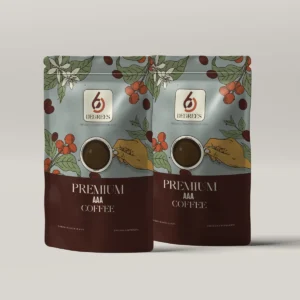
6Degrees AAA Premium Coffee Beans – 100% Arabica
₹650.00 – ₹2,100.00Price range: ₹650.00 through ₹2,100.00 Select options This product has multiple variants. The options may be chosen on the product page -
speciality coffee
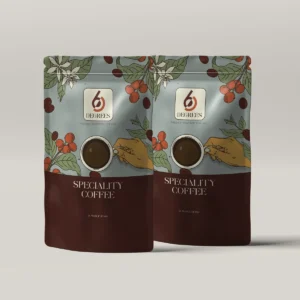
Speciality Coffee – Premium Blend
₹599.00 – ₹2,399.00Price range: ₹599.00 through ₹2,399.00 Select options This product has multiple variants. The options may be chosen on the product page
Also listed for espresso: the House Blend (medium) and Bulk Coffee (medium to dark). The commercial comparison is on the espresso coffee beans page.
Frequently asked questions
No, but it is the easiest to get right. Dark roasts are more soluble and more forgiving of grind and timing. Medium roasts make good espresso with a finer grind or a longer shot.
As general practice, rest them five to fourteen days after roasting, then use them within a few weeks. 6 Degrees roasts after you order and advises finishing a pack within three weeks of opening.
No. A share of selected Robusta is traditional in espresso blends because it adds body, caffeine and crema. The 6 Degrees House Blend is 80:20 Arabica and Robusta; Premium AAA is 100% Arabica.
Yes: choose ground for your brewer at checkout. With a burr grinder, whole bean ground before each shot is freshest.
Partly. The automatic is one-touch with adjustable brew strength, so there is no tamping or timing to dial in, but roast level, grind and freshness still decide the shot. It grinds whole beans in its built-in burr grinder, with 5 grind levels, and works with all roast levels.